Mexican Riviera Cruise Guide: Ports, Ships & Best Itineraries
Mexican Riviera Cruise Guide: Ports, Ships & Best Itineraries
A Mexican Riviera cruise sails along Mexico's Pacific coast, typically departing from California ports such as Long Beach, Los Angeles, San Diego, or, on select itineraries, San Francisco, and calling at ports like Cabo San Lucas, Puerto Vallarta, and Mazatlán. These itineraries typically range from 6 to 11 days, although shorter Baja Mexico cruises and longer extended voyages are also available. Major cruise lines including Carnival Cruise Line, Princess Cruises, Norwegian Cruise Line, Holland America Line, and Royal Caribbean operate regular sailings. The region offers a compelling mix of beach access, colonial architecture, whale watching, and adventure sports — all within a short flight or drive of the U.S. West Coast.
What Is the Mexican Riviera?
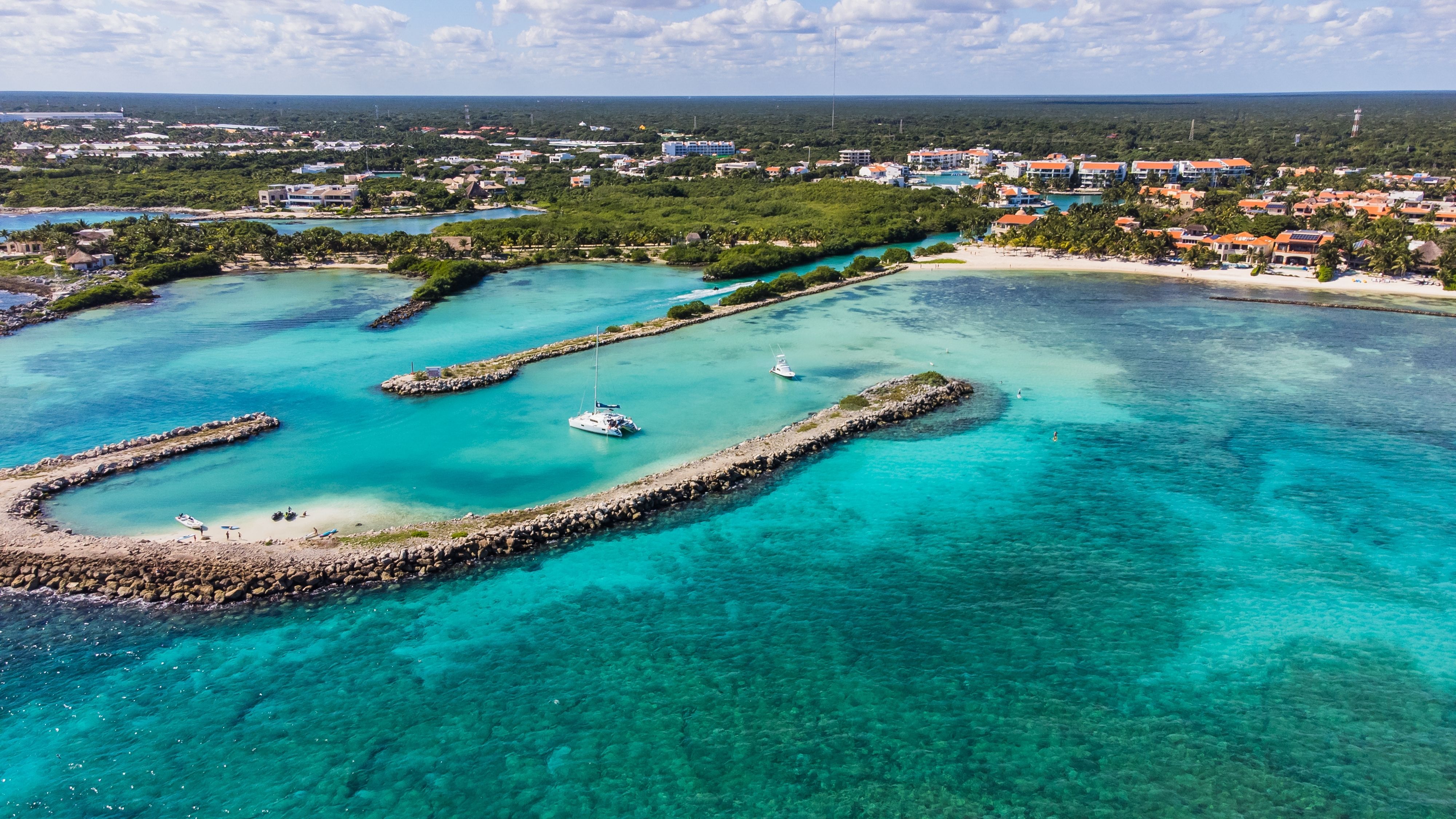
The Mexican Riviera refers to Mexico's Pacific coastline stretching from the tip of the Baja California peninsula south through the states of Sinaloa, Nayarit, Jalisco, and Colima. It is not the same as the Riviera Maya, which runs along Mexico's Caribbean coast near Cancún. Cruise itineraries in this region typically cover a 1,000-mile stretch of Pacific shoreline, with ports that range from the desert-meets-sea scenery of Cabo San Lucas to the lush, jungle-backed bay of Puerto Vallarta.
Departure ports for Mexican Riviera cruises are almost exclusively on the U.S. West Coast. Long Beach, Los Angeles (Port of San Pedro), and San Diego are the primary homeports, while San Francisco serves as a departure port on select itineraries. This makes the Mexican Riviera one of the most convenient cruise destinations for travelers on the U.S. West Coast.
Pro Tip: If you're flying into Los Angeles for your cruise, check our Los Angeles cruise port guide for parking, hotel, and terminal logistics before you sail.
Best Ports on the Mexican Riviera
Cabo San Lucas
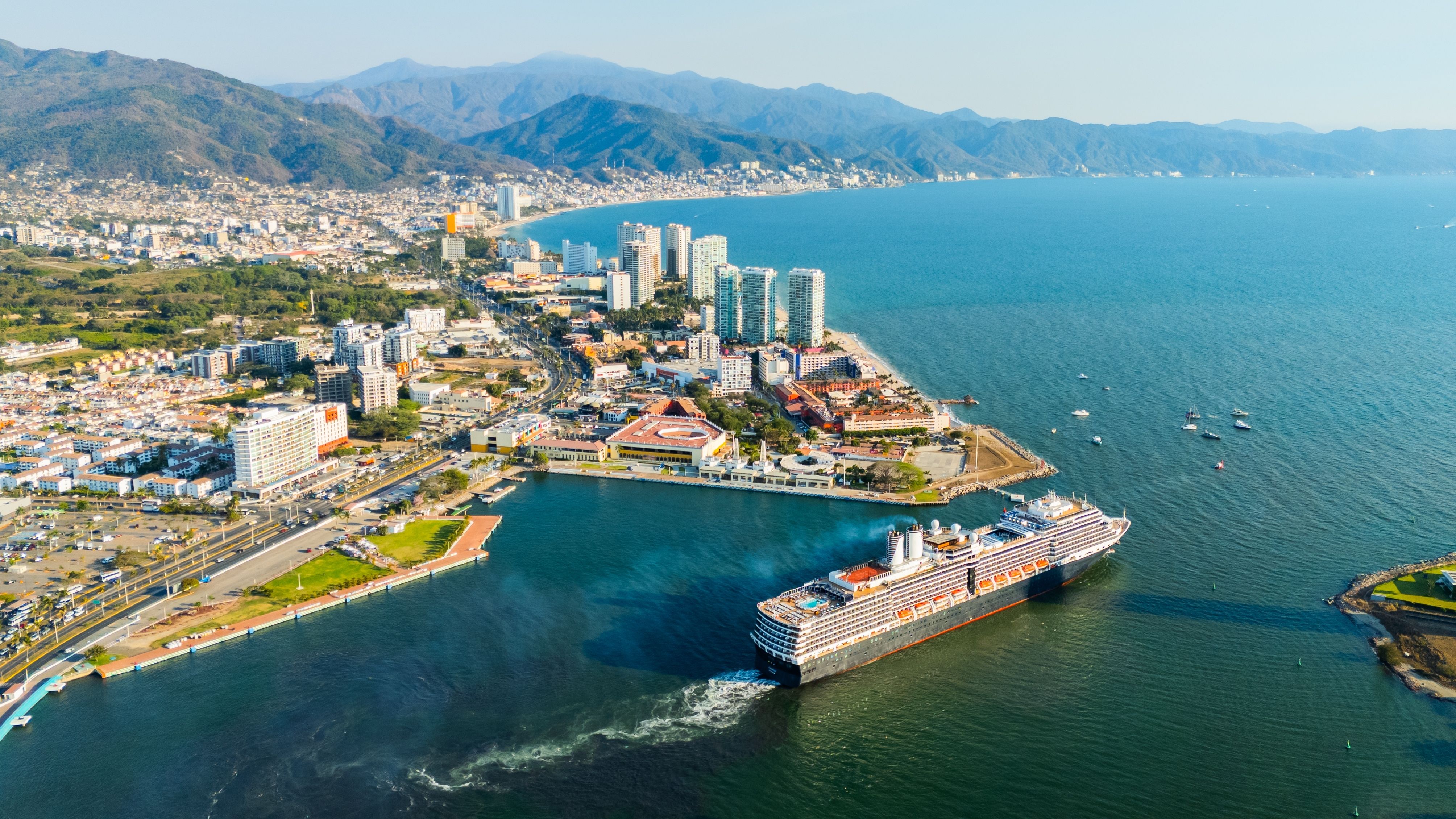
Cabo anchors nearly every Mexican Riviera itinerary. The port sits at the southern tip of Baja California, where the Pacific Ocean meets the Sea of Cortez. Ships tender passengers ashore (no cruise pier), so plan for 15–20 minutes of transit time each way.
The signature attraction is Land's End — the dramatic rock arch called El Arco — visible from the water and reachable by water taxi. Snorkeling and scuba diving at Pelican Rock and other popular sites around Cabo San Lucas Bay offer excellent opportunities to explore vibrant marine life and clear waters. Sport fishing for marlin, tuna, and dorado is a major draw, and the marina strip offers high-end restaurants, bars, and shopping within easy walking distance of the tender dock.
Whale watching is especially popular from December through April, when migrating humpback whales are commonly observed off Los Cabos. Other whale species may also be encountered, although sightings vary.
Puerto Vallarta
Puerto Vallarta is one of the Mexican Riviera's cultural and culinary highlights. The city has a proper cruise pier, making disembarkation straightforward. The cobblestoned Zona Romántica (Old Town) is about a 10-minute taxi ride from the pier and worth every minute of the effort.
Key highlights include the Malecón waterfront promenade, the Church of Our Lady of Guadalupe (a landmark visible from the ship), and a thriving art gallery scene. The surrounding Sierra Madre mountains make Puerto Vallarta a natural base for zip-lining, ATV tours, and waterfall rappelling. Foodwise, the city has evolved into a genuine dining destination — street tacos, fresh ceviche, and upscale Mexican cuisine are all within reach of the pier.
Mazatlán
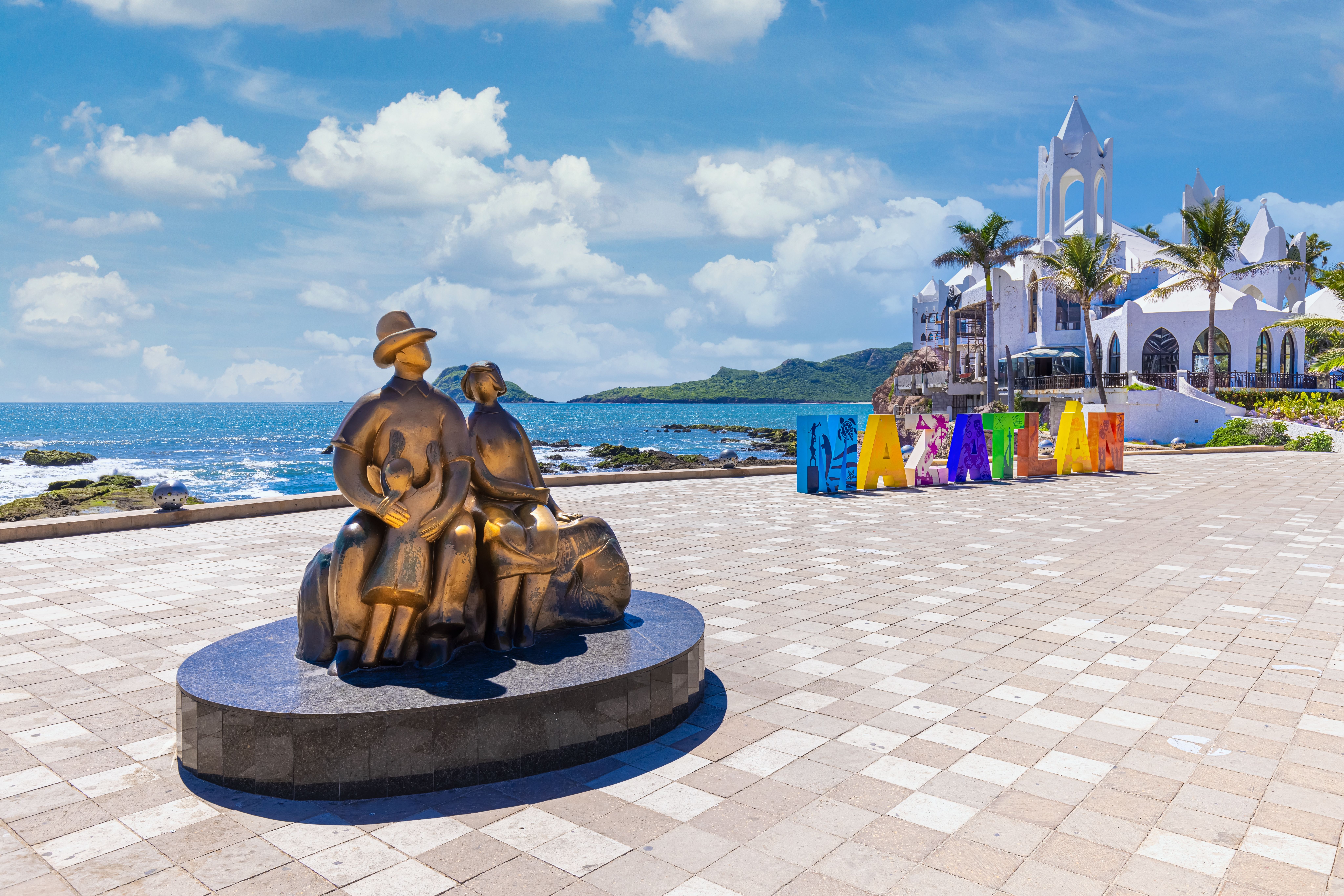
Mazatlán offers a notably different experience from Cabo San Lucas and Puerto Vallarta, with a strong emphasis on local culture and heritage. The historic Old Town (Centro Histórico) is a 20-minute ride from the cruise terminal and features beautifully restored colonial architecture, the Angela Peralta Theater, and a cathedral dating to the 1800s.
The Malecón here is one of the longest in Mexico at roughly 21 kilometers. Mazatlán also has a long-established sport-fishing industry, with charters targeting sailfish, marlin, tuna, and other offshore species. The local food market is an excellent stop for birria, fresh seafood, and regional craft shopping.
Manzanillo
Manzanillo appears on longer 10-day itineraries and offers a more off-the-beaten-path experience. The port is a working industrial harbor, but the surrounding area includes the upscale Las Hadas resort area, excellent surfing beaches, and world-class sport fishing. It's a quieter, less touristy port that rewards travelers willing to explore beyond the pier.
Port-by-Port Comparison
| Port | Cruise Pier? | Best For | Must-Do Activity | Port Access |
|---|---|---|---|---|
| Cabo San Lucas | Tender only | Beach, adventure, nightlife | Snorkeling at El Arco | Tender required |
| Puerto Vallarta | Yes (pier) | Culture, food, adventure | Old Town + zip-lining | Docked; taxis required for downtown |
| Mazatlán | Yes (pier) | History, authenticity, fishing | Centro Histórico walking tour | Docked; shuttle or taxi recommended |
| Manzanillo | Yes (pier) | Quiet beaches, surfing | Las Hadas resort beach | Docked; transportation recommended |
| Ensenada | Yes (pier) | Day trip from San Diego | La Bufadora blowhole | Docked; central area accessible by shuttle, taxi, or longer walk |
Best Ships and Cruise Lines for the Mexican Riviera
Carnival Cruise Line
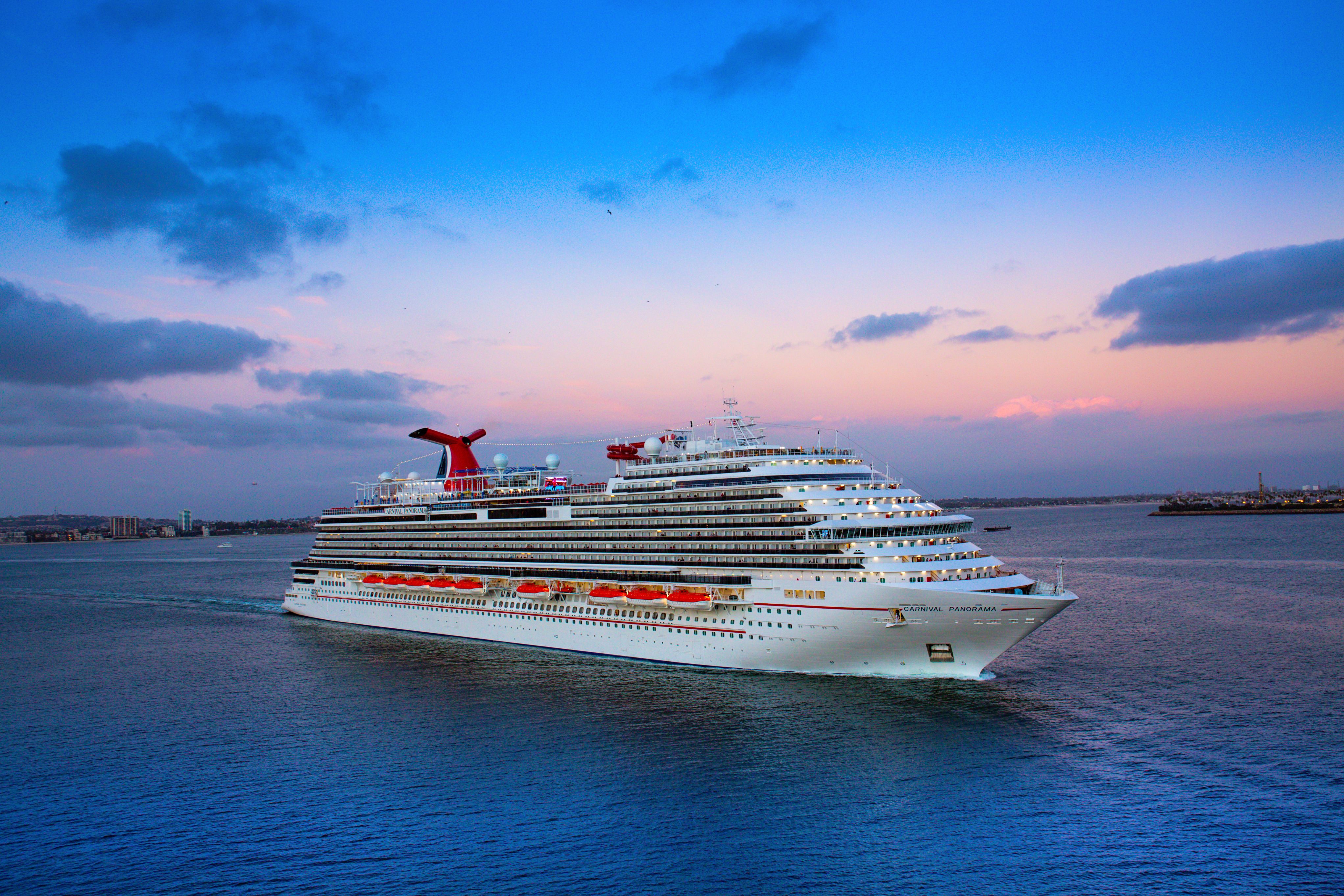
Carnival operates some of the most frequent Mexican Riviera departures from Long Beach, California. Carnival Panorama, a Vista-class ship home-ported in Long Beach year-round, is one of Carnival Cruise Line's primary ships on the Mexican Riviera route. It features waterslides, the SkyRide aerial cycling attraction, and Carnival's signature lively onboard atmosphere. Carnival frequently competes on entry-level fares for this route, making it a strong choice for families and groups, although prices vary by sailing date, cabin category, and demand.
Princess Cruises
Princess has deep roots on the Mexican Riviera — the cruise line's first voyage in 1965 sailed to the region, which later became closely associated with the Love Boat era. Princess Cruises operates seven-day and longer Mexican Riviera itineraries from Los Angeles, with ships such as Discovery Princess and Ruby Princess featured on select sailings. Ship assignments vary by season. Princess tends to attract a slightly older demographic and offers enrichment programming, culinary demonstrations, and a more refined onboard atmosphere than Carnival.
Norwegian Cruise Line
Norwegian Cruise Line offers Mexican Riviera itineraries from Los Angeles and San Diego, with route lengths, ships, and ports varying by season. Select extended sailings may include additional destinations such as Acapulco and Huatulco beyond the classic Cabo San Lucas–Mazatlán–Puerto Vallarta itinerary. Norwegian's Freestyle Dining model—no set dining times or assigned seating—appeals to travelers who want flexibility ashore and onboard.
Holland America Line
Holland America operates seven-day and longer Mexico itineraries from San Diego, with current and upcoming sailings assigned to ships including Koningsdam and Zuiderdam. HAL's culinary programming, Explorations Central enrichment activities, and generally smaller crowds make it a top pick for couples and retirees. Our Princess Cruises vs. Holland America comparison breaks down which line is the better fit for different traveler types
Royal Caribbean
Royal Caribbean operates Mexican Riviera itineraries from Los Angeles, with ships such as Navigator of the Seas featured on select sailings, although ship assignments vary by season. These tend to be shorter 5- to 7-night sailings. Royal Caribbean generally emphasizes active onboard entertainment, with amenities such as FlowRider surf simulators, rock climbing walls, and expansive entertainment venues, although available features vary by ship.
Cruise Line Comparison for the Mexican Riviera
| Cruise Line | Representative Ships | Departure Ports | Typical Itinerary | Best For |
|---|---|---|---|---|
| Carnival Cruise Line | Carnival Panorama | Long Beach | 3–4-day Baja Mexico cruises; 6–8-day Mexican Riviera itineraries | Families, budget travelers |
| Princess Cruises | Discovery Princess, Ruby Princess | Los Angeles | 7-day and longer Mexican Riviera itineraries | Couples, enrichment seekers |
| Norwegian Cruise Line | Norwegian Star, Norwegian Encore | San Diego, Los Angeles | Mostly 7-day itineraries; select longer sailings | Flexible dining, contemporary cruising |
| Holland America Line | Koningsdam, Zuiderdam | San Diego | 7-day and longer Mexico itineraries | Couples, retirees |
| Royal Caribbean | Navigator of the Seas | Los Angeles | 5–7-night itineraries | Families, activity-focused travelers |
7-Day vs. 10-Day Itineraries: Which Is Right for You?
Seven-night cruises remain the classic format, while extended 10- to 12-day itineraries offer a more in-depth exploration of the Mexican Riviera and may add ports in the Sea of Cortez or farther south. Travelers can also choose short Baja getaways and six- to eight-day variations.
7-day itineraries typically include two sea days (one each way) and three port days: Cabo San Lucas, Mazatlán, and Puerto Vallarta. This is the most common format, offered by Carnival, Princess, and Holland America. It's efficient and gives you a solid overview of the region without requiring more than a week away from work.
10- to 11-day itineraries add Manzanillo and sometimes extend south to Acapulco and Huatulco, giving you a much broader view of Mexico's Pacific coast. Norwegian Cruise Line also offers select extended sailings from San Diego that visit these additional ports, although ships and itineraries vary by season. The tradeoff is additional sea days and a higher total cost, but the addition of Acapulco and Huatulco provides a distinctly different destination experience.
Pro Tip: If you've already done the standard Cabo-Mazatlán-Puerto Vallarta circuit, a 10-day itinerary with Manzanillo or Acapulco adds genuine novelty rather than just more time at sea.
Best Time to Cruise the Mexican Riviera
The Mexican Riviera has a defined dry season and a wet/hurricane season, and timing matters significantly for comfort and value.
Peak season: November through April. This is when the weather is generally most reliable, with sunny skies, lower humidity, and comfortable temperatures, although conditions vary by port. December through February is peak whale-watching season in the Sea of Cortez. Fares are often higher during this period, particularly around holidays and spring break, and popular sailings may have more limited cabin availability.
Shoulder season: October and May. Temperatures are warm, crowds are thinner, and fares may be lower than during peak season. October can still see occasional tropical weather, but most sailings are unaffected.
Summer (June–September): This period falls within the eastern Pacific hurricane season, which officially runs from May 15 through November 30, with tropical activity typically peaking from late June through early October. Heat and humidity are at their highest, and tropical storms can occasionally disrupt itineraries. Fares may be lower, and some cruise lines reduce or pause Mexican Riviera sailings during this period. Our dedicated guide on the best time to cruise to Mexico covers seasonal tradeoffs in more detail.
| Month | Weather | Crowds | Fare Level | Notable Events |
|---|---|---|---|---|
| Nov–Dec | Excellent | High | High | Early whale watching |
| Jan–Feb | Excellent | Very High | Very High | Peak whale season |
| Mar–Apr | Very Good | High (spring break) | High | Spring break surge |
| May | Good | Low | Moderate | Shoulder value |
| Jun–Sep | Hot/Humid | Low | Low | Hurricane season |
| Oct | Good | Low | Moderate | Shoulder value |
Shore Excursions by Port
The Mexican Riviera rewards travelers who plan their port days in advance. Here's what's worth booking by port:
Cabo San Lucas Excursions
- El Arco snorkeling tour: Combines the iconic rock arch with snorkeling at Pelican Rock. Book through the cruise line or a reputable local operator at the tender dock.
- Whale watching (Dec–Apr): 2- to 3-hour boat tours into the Sea of Cortez. Peak season offers some of the best opportunities to see migrating gray whales, although sightings depend on wildlife conditions.
- ATV and off-road tours: Baja desert terrain makes for excellent dune riding north of town.
- Medano Beach day: The closest swimmable beach to the tender dock. Accessible independently with no excursion required.
Puerto Vallarta Excursions
- Canopy zip-line + waterfall rappelling: The Sierra Madre foothills above Puerto Vallarta offer some of the best zip-line infrastructure in Mexico. Multiple operators run full-day tours.
- Old Town walking tour + tequila tasting: Combines the Malecón, the Church of Our Lady of Guadalupe, and a stop at a local tequila producer. Doable independently or as a guided tour.
- Rhythms of the Night: An evening excursion to Las Caletas beach by boat, featuring dinner and a theatrical show. One of Princess Cruises' most popular shore excursions, it's worth booking in advance due to limited availability.
Mazatlán Excursions
- Centro Histórico tour: Colonial architecture, the Angela Peralta Theater, and the cathedral. Best done with a local guide who can provide historical context.
- Sport fishing: Half-day sailfish and marlin charters depart from the marina.
- Stone Island beach day: A short boat ride from the pier leads to a quieter, locals-favorite beach with palapa restaurants.
For a deeper dive into what's worth booking, see our Best Mexican Riviera Cruise Excursions guide.
Tips for First-Timers

Bring cash in USD and pesos. USD is widely accepted in tourist areas at all three main ports, but having pesos gives you better exchange rates at local markets and restaurants. ATMs are available near all cruise piers.
Tender logistics in Cabo matter. Because Cabo has no cruise pier, ships anchor offshore and run tenders. Tendering can take 30–45 minutes round-trip during busy port days. Book early excursions through the cruise line to get priority tender access, or plan to go ashore mid-morning once the initial rush clears.
Pack for both beach and city. Puerto Vallarta and Mazatlán have cobblestone streets and significant walking. Comfortable walking shoes are as important as flip-flops. Our What to Pack for a 7 Day Cruise to Mexico guide has a full packing checklist.
Sunscreen regulations: Some snorkeling and eco-tour operators, particularly in protected marine areas around Cabo, require or recommend reef-safe (mineral-based) sunscreen. Bringing your own is recommended, as biodegradable options sold onboard can be more expensive.
Passport vs. passport card: Qualifying U.S. citizens on closed-loop cruises may be permitted to travel with government-issued photo identification and acceptable proof of citizenship, such as a birth certificate. However, cruise line and destination requirements can vary. A full passport book is strongly recommended because it is the most reliable travel document if an itinerary disruption requires flying home from Mexico.
Pro Tip: Pre-purchase your shore excursions before sailing. Popular Puerto Vallarta zip-line tours and Cabo whale watching trips sell out weeks in advance during peak season.
How to Book and Find the Best Deals

Mexican Riviera cruises follow predictable pricing patterns. Fares are highest during the November–April dry season, with particular spikes around Thanksgiving, Christmas/New Year's, and spring break (mid-March to mid-April). The best value windows are May, October, and early November before the holiday surge.
Book early for peak dates. For December and January sailings, booking 6–9 months in advance generally provides a wider choice of cabins and may offer better pricing before wave season and peak-demand fare increases. Balcony and suite availability on popular holiday sailings can become limited months before departure.
Last-minute deals exist in shoulder season. May and October sailings may offer lower fares closer to departure, particularly on select Holland America Line and Princess Cruises itineraries, although discounts within 60–90 days are not guaranteed and vary by ship, sailing date, and demand.
Cabin category strategy: On 7-day Mexican Riviera itineraries, a balcony cabin may be worth the upgrade—you'll spend meaningful time on it during sea days and while sailing into and out of port. On Carnival Panorama, cabin location can influence your views during parts of the voyage, although no cabin side guarantees sunset views.
Pro Tip: Check our Best Time to Book a Cruise guide for wave season timing and how to stack cruise line promotions with Cruisebound Cash rewards.
For broader Mexico cruise options beyond the Riviera, our Best Mexico Cruises article covers Yucatán, Riviera Maya, and repositioning itineraries as well.
Key Takeaways
- The core three ports — Cabo San Lucas, Mazatlán, and Puerto Vallarta — appear on virtually every 7-day Mexican Riviera itinerary and each offers a distinct experience.
- Los Angeles and San Diego are the primary departure ports, making this one of the most accessible cruise regions for West Coast travelers.
- November through April is the optimal sailing window for reliable weather, whale watching, and calm seas — but fares reflect that demand.
- 7-day itineraries suit most travelers; 10- to 11-day sailings on Norwegian are the best option for those wanting to add Manzanillo, Acapulco, or Huatulco.
- Carnival Panorama, Discovery Princess, and Norwegian Jewel are among the ships most commonly deployed on Mexican Riviera itineraries, although ship assignments vary by season.
Frequently Asked Questions
Q: Where do Mexican Riviera cruises depart from?
Mexican Riviera cruises depart almost exclusively from U.S. West Coast ports. Los Angeles (Port of San Pedro) and San Diego are the primary homeports. San Francisco occasionally serves as a departure point for repositioning sailings, but it is not a standard Mexican Riviera homeport.
Q: What are the main ports on a Mexican Riviera cruise?
The core ports are Cabo San Lucas, Mazatlán, and Puerto Vallarta. Longer itineraries add Manzanillo, Ensenada, Acapulco, and Huatulco. Ensenada (Baja California) appears on shorter 3- to 5-night "Baja" cruises that are sometimes marketed separately from full Mexican Riviera itineraries.
Q: How long is a typical Mexican Riviera cruise?
Most classic Mexican Riviera itineraries run seven nights. Short Baja Mexico cruises and longer 10- to 11-night voyages are also available, although ports and ship assignments vary by season.
Q: Is a passport required for a Mexican Riviera cruise?
U.S. citizens on closed-loop cruises (sailing from and returning to a U.S. port) may be permitted to travel with a government-issued photo ID and acceptable proof of citizenship, such as a birth certificate. However, a valid passport book is strongly recommended, as it is required if you need to fly home from Mexico due to a medical emergency or itinerary change.
Q: What is the best time of year for a Mexican Riviera cruise?
The best weather window is November through April, when the region experiences its dry season with sunny skies and low humidity. January and February offer peak whale-watching conditions in the Sea of Cortez. For lower fares with acceptable weather, October and early May are strong shoulder-season options.
Q: Do I need to book shore excursions in advance?
For popular activities — whale watching in Cabo, zip-lining in Puerto Vallarta, and fishing charters in Mazatlán — advance booking is strongly recommended, especially during peak season (December–March). Many top-rated tours sell out weeks before departure. Independent exploration is easy in Puerto Vallarta and Mazatlán, where the pier is close to the main attractions.
Fast Facts
- Best For: West Coast travelers, beach seekers, culture enthusiasts, families, couples
- Price Range: Pricing varies by cruise line, sailing date, cabin category, and demand. Check the latest fares on Cruisebound, where prices are updated regularly based on current availability.
- Best Time to Book: 6–9 months ahead for peak season (Dec–Mar); 60–90 days before departure may offer good value on select shoulder-season sailings.
- Top Homeports: Los Angeles (Port of San Pedro), San Diego
- Core Ports: Cabo San Lucas, Mazatlán, Puerto Vallarta
- Top Pick (7-night): Carnival Panorama from Long Beach or Discovery Princess from Los Angeles
- Representative 10-night option: Norwegian Jewel from San Diego
- Peak Season: November–April
- Shoulder Season Value: October, May